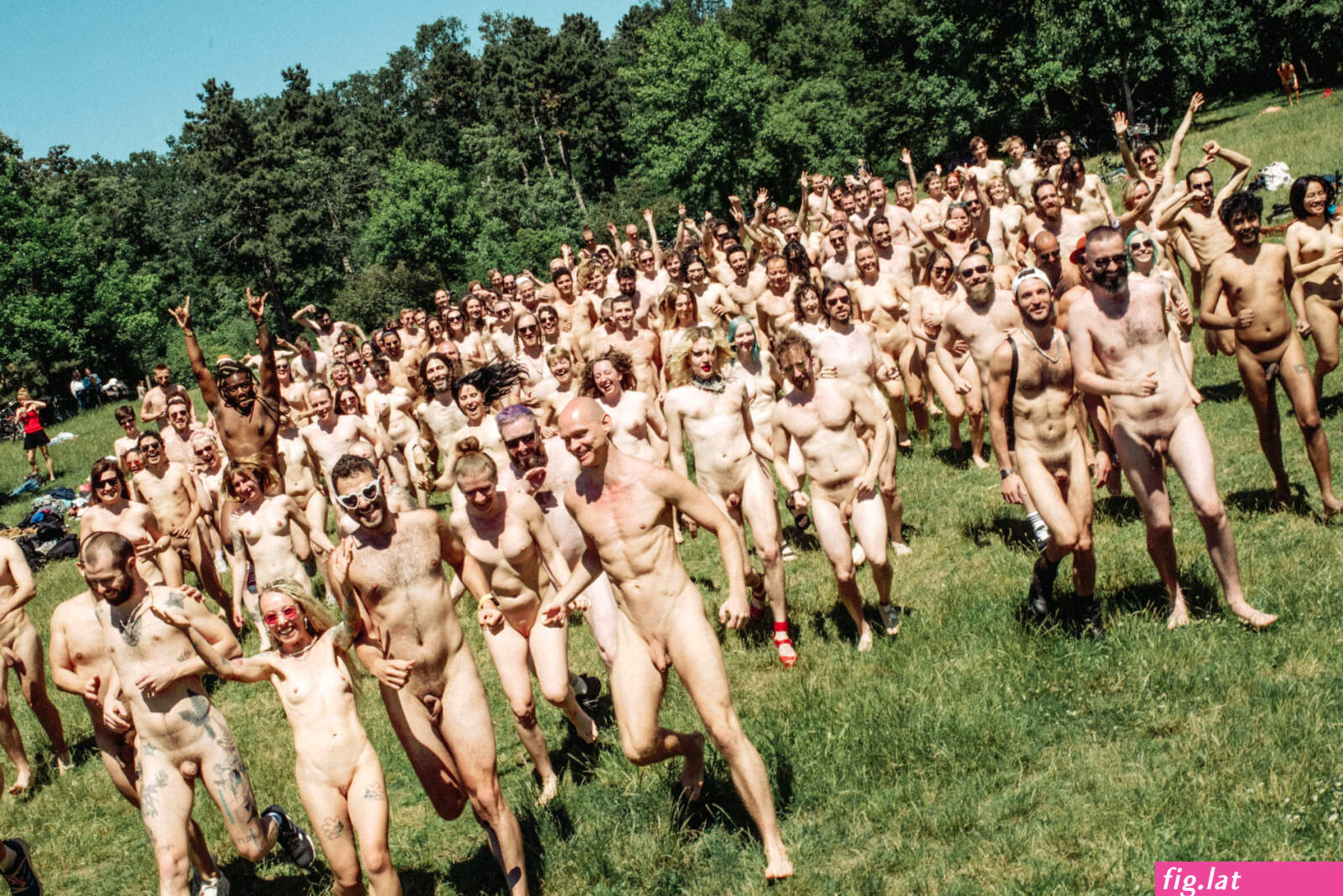
Gallery

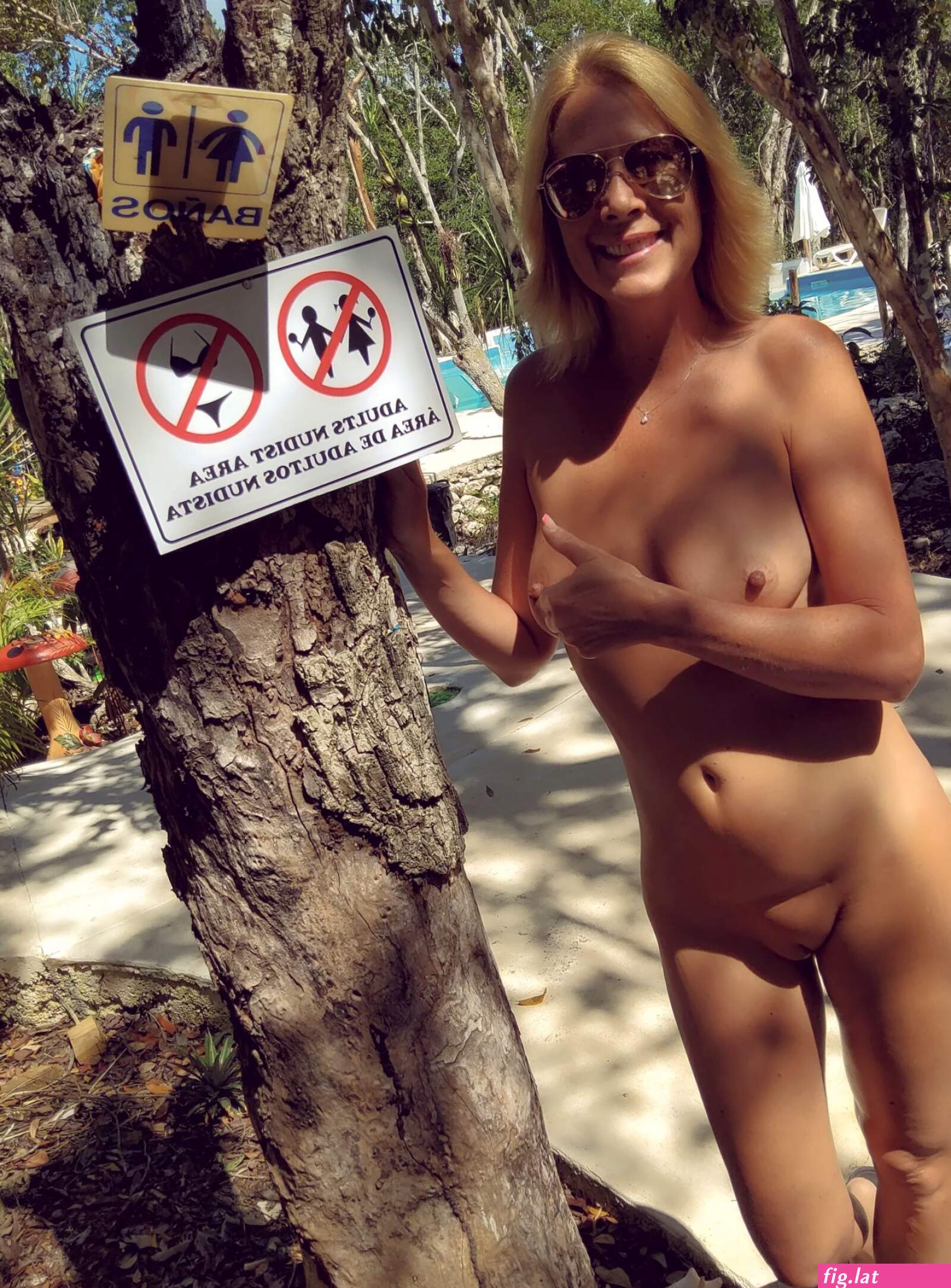
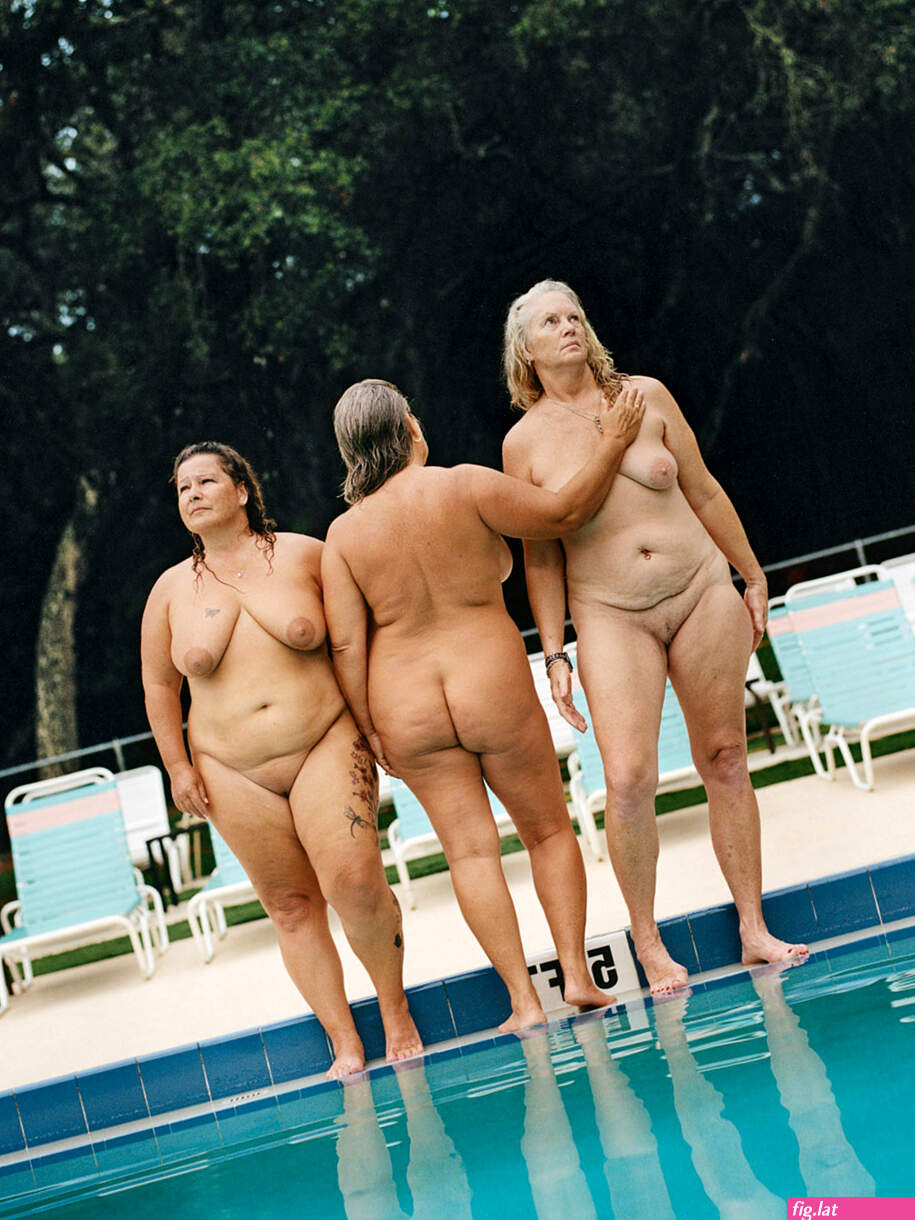
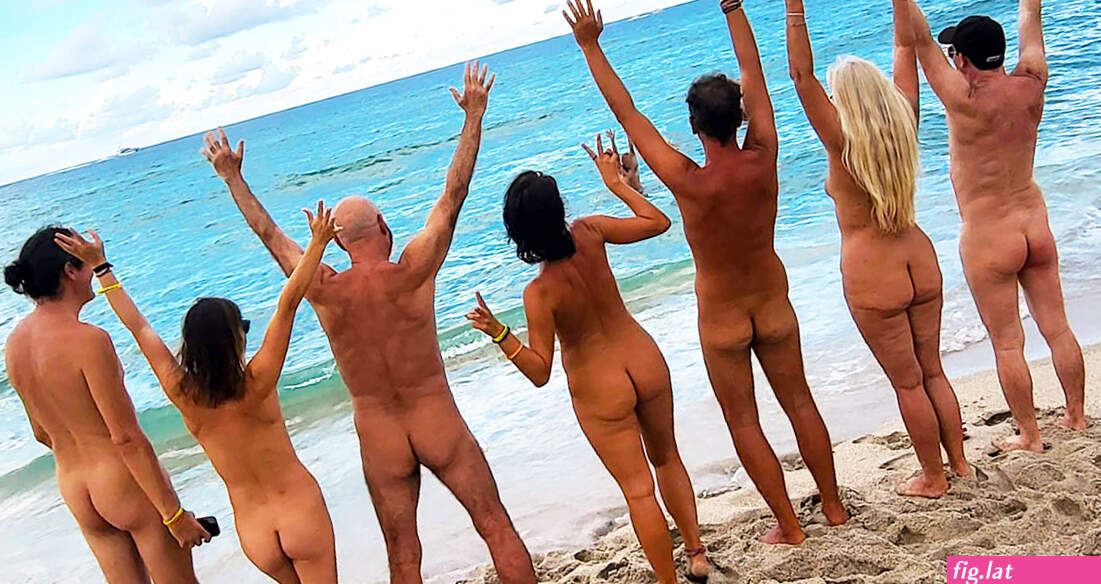


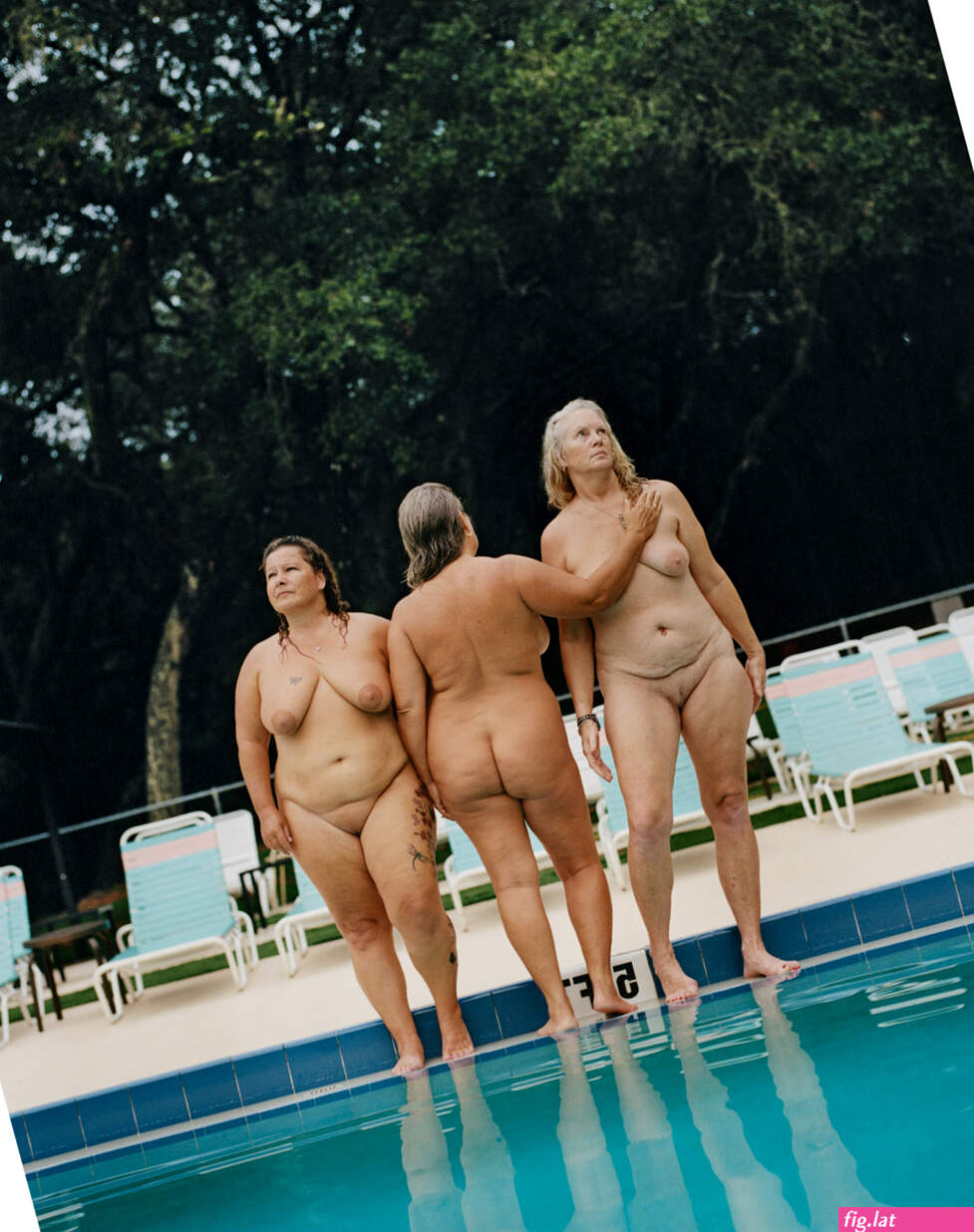

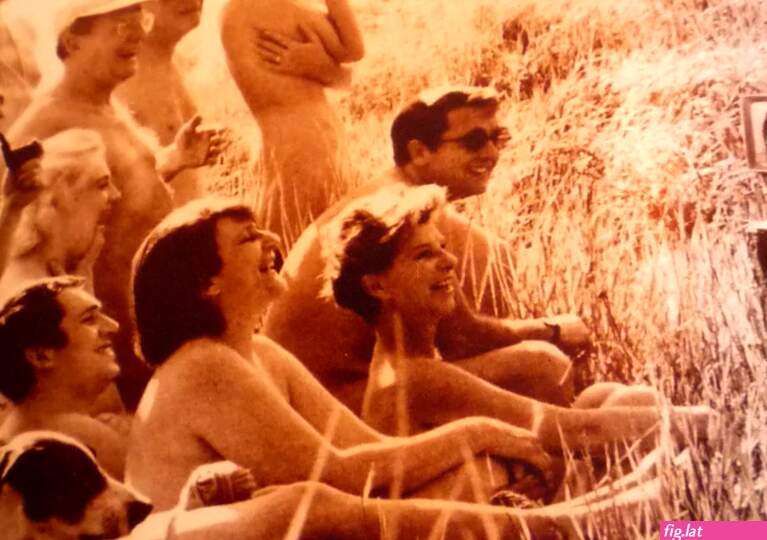


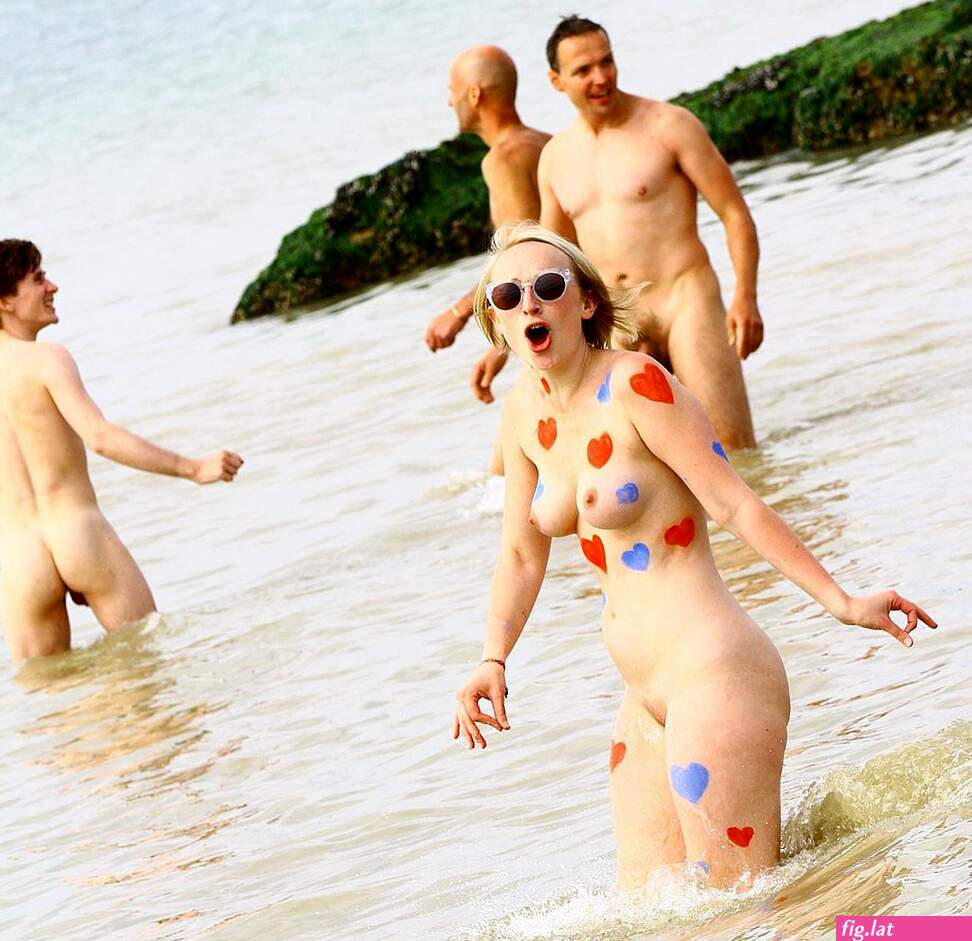
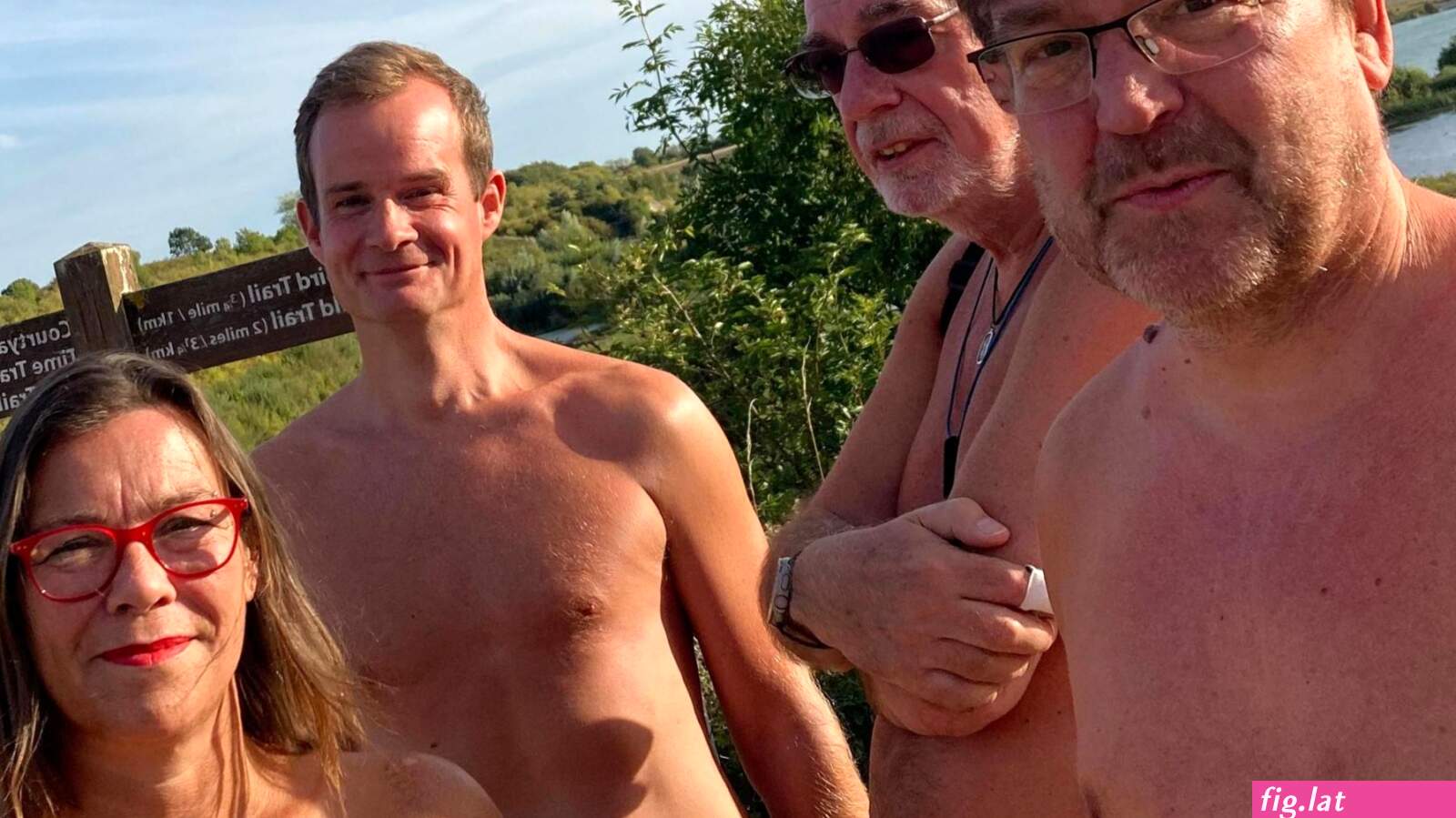

Naturist resorts and communities exist on a spectrum without sharp distinctions – a naturist resort might be primarily commercial in focus but also accommodate some permanent residents, while a naturist community might be primarily residential but also cater to some paying visitors. Some naturist resorts and communities require nudity as a condition of remaining on the site; others are clothing-optional, allowing people to wear clothing so long as they tolerate others going nude.
Stop by the association’s office sometime, and dip into literature available in the American Nudist Research Library. Be sure to bring a towel to sit on, though. (That’s basic nudist etiquette.) While the library is expansive, it’s lacking in material on the community’s greatest internal rift: the tension between residents who live in the nude for their health, and to fulfill a longing for nature, and those who have—shall we say—other motivations for shucking off their clothes.
Waddell referred to the latter group as “nude tourists”—people who just want to visit and stare, rather than stay and become part of the community.
The decision — which overruled a previous ruling stating the resort did not discriminate — affects Key West’s New Orleans House, though it’s not binding until the full commission weighs in. The resort is one of at least two nude resorts challenged by Amita Chaudhry, a 38-year-old cisgender woman who identifies as part of the LGBTQ+ community. Chaudhry also filed a , claiming she wasn’t allowed to rent a room there because she doesn’t identify as male. Island House attorneys dispute that, saying Chaudhry attended a 2022 Pride party at the resort and was disruptive. Chaudhry allegedly left fliers around the resort saying it discriminated against women and then told staff she planned to sue the resort.
A Nude Attitude: An Inside Look at the Triangle’s Naturist Community