Gallery
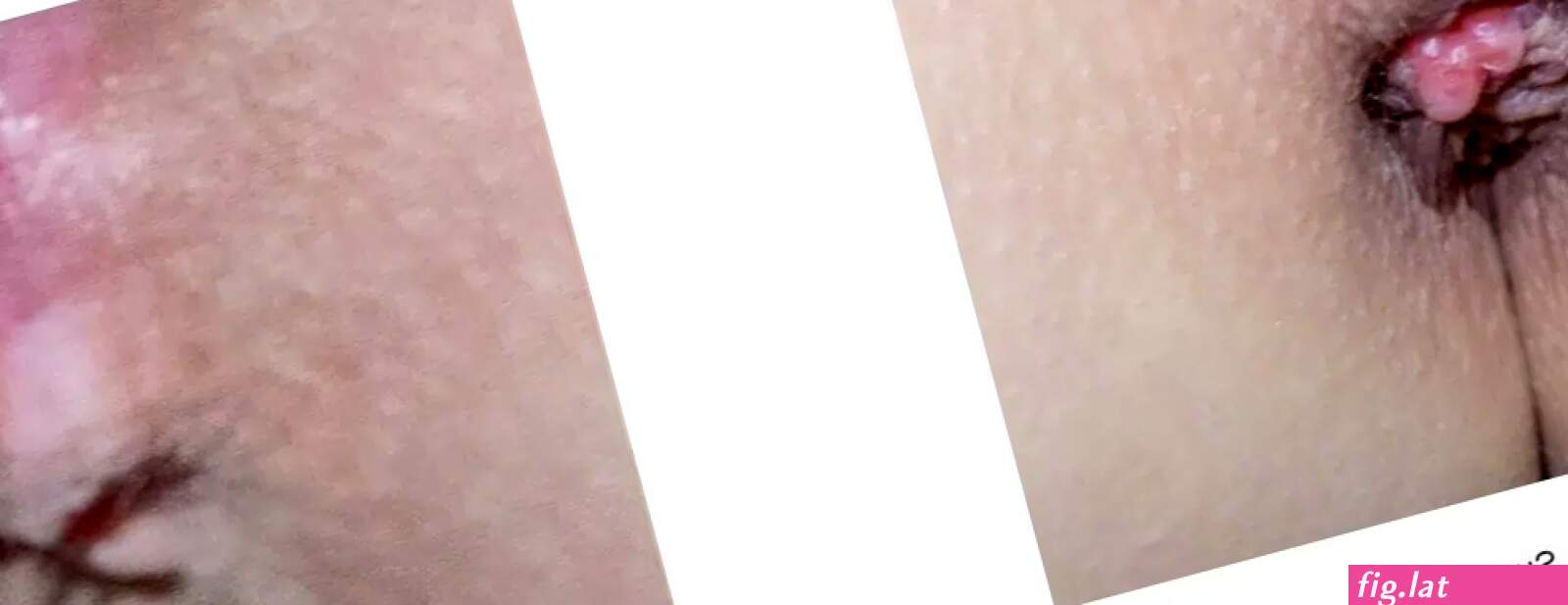
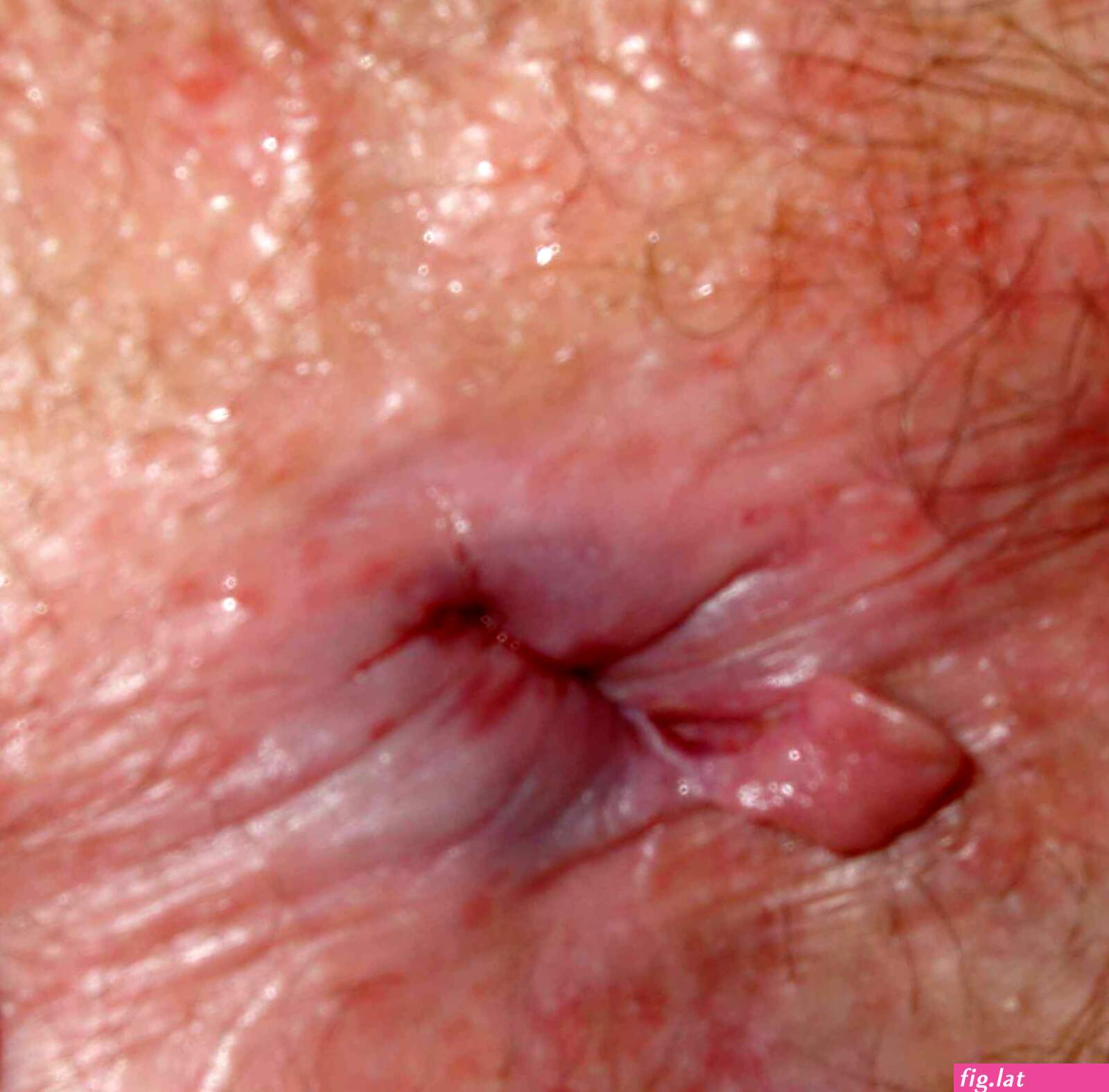
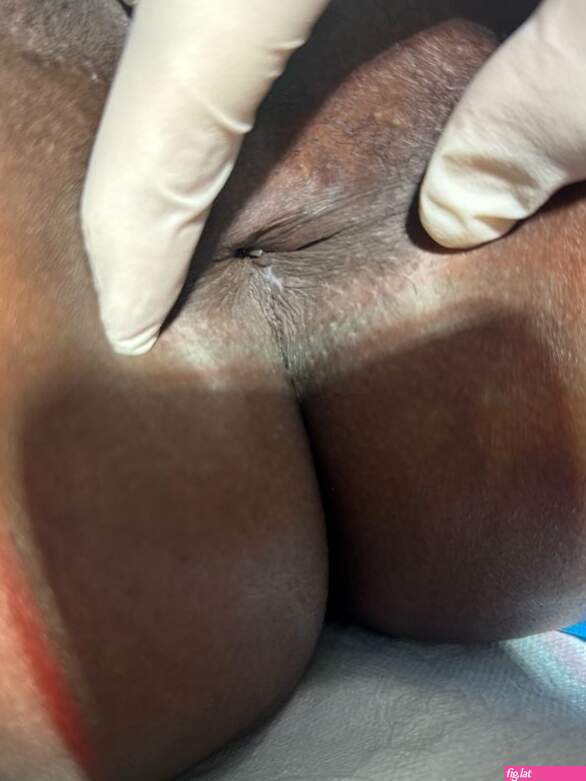


Diagnosis is made by clinical examination, supplemented by rigid sigmoidoscopy and/or proctoscopy to exclude other ano-rectal conditions. If an anal skin tag becomes ulcerated, painful or starts bleeding, urgent specialist opinion should be sought to exclude more serious diagnoses such as anal cancer, Bowen’s disease and fistula-in-ano
It’s a discovery no one is particularly thrilled to make: a small, unexpected flap of skin in a very private area. Finding a lump or bump “down there” can immediately trigger a wave of anxiety. Your mind might race with questions. Is it serious? Is it painful? Will it go away on its own? Most often, what you’ve found is a completely harmless anal skin tag.
While these growths are benign, they are a common source of confusion and concern. They are frequently mistaken for more talked-about issues like hemorrhoids or anal fissures, leading to unnecessary worry and misguided self-treatment. Understanding what an anal skin tag is—and what it isn’t—is the first step toward peace of mind and proper care.
An anal skin tag, medically known as an acrochordon, is a small, soft, benign growth of skin that hangs off the body. When it appears on the delicate skin around the anal opening, it’s called an anal skin tag. Think of it as a tiny, deflated balloon of flesh-coloured or slightly darker skin. It can be as small as a pinhead or grow to the size of a grape.
These tags are composed of loose collagen fibres and blood vessels surrounded by skin. Unlike warts, they are not contagious. Unlike hemorrhoids, they are not swollen veins. And unlike anal polyps, they are growths on the outside, not typically inside the anal canal. A skin tag near anus is simply an overgrowth of normal skin.